DURATION: FREE TO GO ON YOUR OWN
Botswana: Ever-changing Okavango Delta
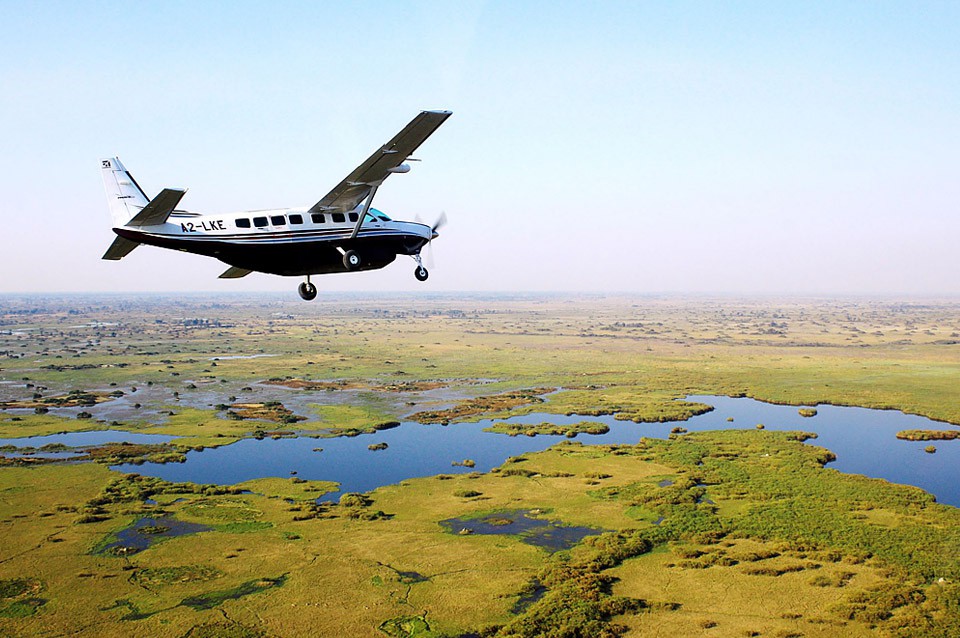
The Okavango Delta, which is a World Heritage Site, includes permanent swamps which cover approximately 600,000 ha along with up to 1.2m ha of seasonally flooded grassland.
The Delta is one of a very few large inland delta systems without an outlet to the sea, its waters drain instead into the desert sands of the Kalahari Basin.
The geology of the area, a part of the African Rift Valley System, has resulted in the ‘capture’ of the Okavango River that has formed the Delta (third largest in southern Africa) and its extensive waterways, swamps, flooded grasslands and floodplains.
Permanent crystal clear waters and dissolved nutrients transform the otherwise dry Kalahari Desert habitat into a scenic landscape of exceptional and rare beauty, and sustain an ecosystem of remarkable habitat and species diversity, thereby maintaining its ecological resilience and amazing natural phenomena.
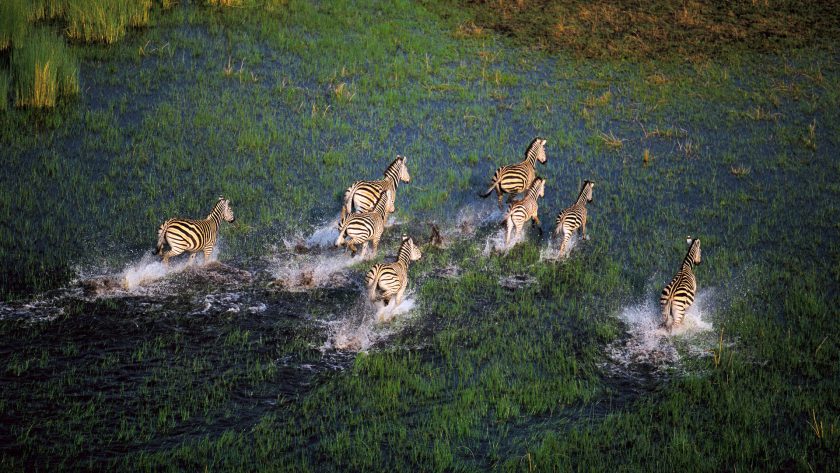
The annual flood-tide, which pulses through the wetland system every year, revitalizes ecosystems and is a critical life-force during the peak of the Botswana’s dry season (June/July). The Okavango Delta World Heritage property displays a miraculous transformation of a huge sandy, dry and brown area to spectacular wildlife displays by winter floods: large herds of African Elephant, Buffalo, Red Lechwe, Zebra and other large animals splashing, playing and drinking the clear waters of the Okavango having survived the dry autumn season or their weeks’ long migration across the Kalahari Desert.
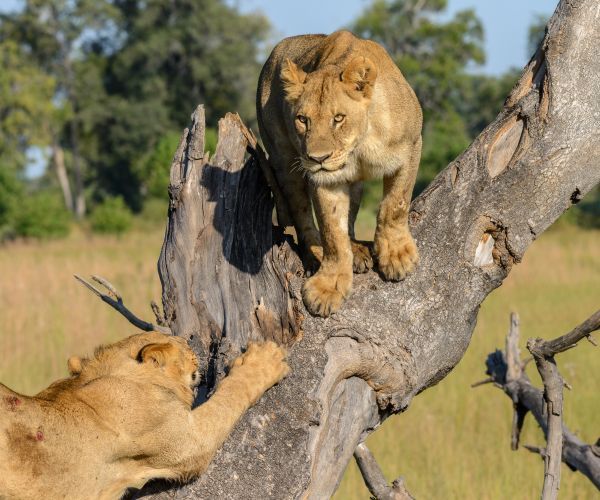
The Okavango Delta World Heritage property sustains large populations of some of the world’s most endangered large mammals such as Cheetah, white and black Rhinoceros, Wild Dog and Lion, all adapted to living in this wetland system. The Delta’s habitats are species rich with innumerous plants, fish, reptiles, species of birds and mammals. The natural habitats of the nominated area are diverse and include permanent and seasonal rivers and lagoons, permanent swamps, seasonal and occasionally flooded grasslands, riparian forest, dry deciduous woodlands and island communities. Each of these habitats has a distinct species composition comprising all the major classes of aquatic organisms, reptiles, birds and mammals.
Botswana supports the world’s largest population of elephants, numbering around 130,000: the Okavango Delta is the core area for this species’ survival.
Rates on request
Depending on the season & duration
The Okavango Delta World Heritage property sustains large populations of some of the world’s most endangered large mammals such as Cheetah, white and black Rhinoceros, Wild Dog and Lion, all adapted to living in this wetland system!