
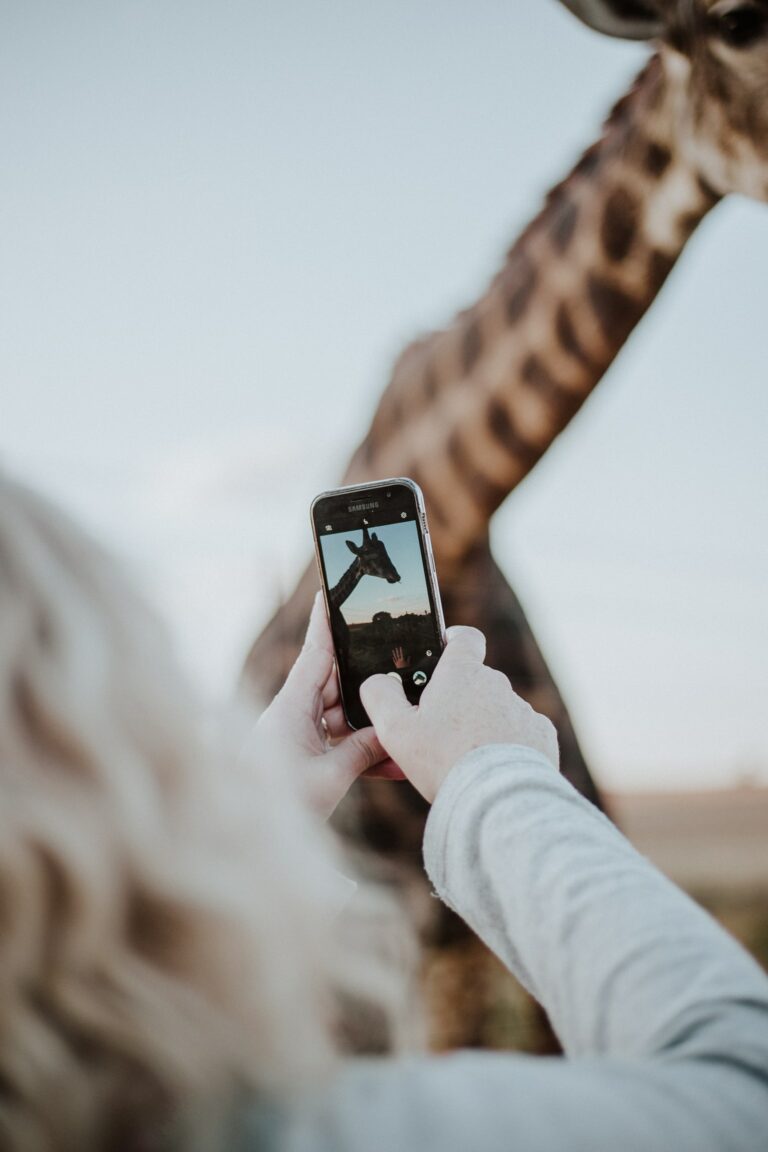
Be careful, but not afraid
When you’re planning a trip to Africa, you will most likely come across all sorts of information. Travelling to Africa for the first time, it’s hard not to hold a certain image in your head. An image informed by news bulletins and aid ads and maybe the seminal 2006 film Blood Diamond. That sort of prejudice is kind of inevitable, but it’s one that’s really undeserved. Africa, when you travel there, is a far more interesting, complex, beautiful place than 90% of the media makes us believe. The truth is, Africa has an energy unlike any other place on earth and the spirit of the people will blow you away. Life in Africa is about love, gratitude and community – something that we in the developed world could probably learn a thing or two about. Spend a week road-tripping through Tanzania, visiting Okavango Delta in Botswana, the Namibian Kalahari-desert or cruising the coast outside Cape Town, and the myths get busted, one by one. As we all know, Africa is a poor continent with a high percentage of unemployed. Let’s take this into account and be smart about it! Being wary, and taking the same precautions as you'd take while travelling anywhere else in the world - of course, while not allowing yourself to become closed off or fearful of every interaction - is the key here and will help you avoid many problems throughout Africa. You'll quickly realise that most of the fears you've carried with you are unfounded!It’s a myth to believe that traveling in Africa is always affordable or even cheap. For the most part for quality living, Africa is cheap. However, to actually travel through Africa, is quite expensive.
Getting to Africa can be cost-worthy, with flights generally more expensive than to other regions of the world. Think of the basic economics of supply / demand and you’ll understand why.
Be prepared for mid to high range prices if you want to go on a safari, especially in some of the famous African national parks such as Okavango Delta, Serengeti or Etosha Pan. Overland tours are popular yet expensive, while local transport can be relatively cheap if travelling shorter distances.
Accommodation-wise, from luxury lodges down to shabby guesthouses, the prices are a lot higher than anywhere else in the world and backpacking is generally not catered for. Camping is a cheap option. But then again, of you choose for a 3+ 4 or 5* accommodation, you do get bang for your buck!
Food, on the other hand, is extremely reasonably prices, especially if you’re eating like a local – which is a great way of learning about local cuisine – In some African countries drinking tab-water is absolutely safe, but not anywhere. We recommend to drink bottled water. And make sure food is well cooked!
South Africa, Lesotho & eSwatini
South Africa has a relatively diverse climate, partly due to its vast size and partly the result of ocean-currents passing the country.
Generally speaking, the south of the country has a Mediterranean climate, the north-east is subtropical and the north-west a small desert. Expect summer rains (November to March), except in the south around Cape Town and the Garden Route which experiences winter rain (June to September)
South Africa is mild compared to the rest of the African continent. Cape Town has an average annual temperature of 18°C, but 30°C+ is normal in the summer (November-April) and snow can be expected in the mountains.
The best time to visit South Africa's game parks around Johannesburg (north-east), is from May to September. This is the dry season and animals congregate around waterholes and rivers. As this is winter, mornings and nights are cold. May and September are wonderful because it is less cold and, especially in September, the wildlife viewing is excellent.
________
Lesotho has a temperate climate with well marked seasons, with hot summers and cold winters.
In Lesotho, the atmosphere is calm with plainly diverse seasons, yet to a great extent relies on upon the elevation. Summer falls from October to April and it is blustery and warm. The wettest periods are amongst March and May and October and November, while the hottest are in January and February. The snow falls amid the winter, yet in the mountains it may fall at any time of the year.
Normal temperatures in summer are around 30℃ and in the evenings 18℃. In winter, the days are sunny, yet it can be exceptionally cool. The temperature in winter can drop to around - 7℃; while in the highlands can drop to - 18℃ at times.
_______
In Swaziland, a small country bordering South Africa and Mozambique, mountainous in the west and hilly in the east, the climate varies mainly with altitude. Throughout the country, there is a rainy season from mid-October to mid-April and a dry season from mid-April to mid-October, but in the western area, where the altitude is higher, rainfall is more abundant. The rains occur primarily as showers or thunderstorms in the afternoon. The austral winter is dry and sunny everywhere.
The altitude determines three areas with different climates and environments: Highveld, Middle Veld and Lowveld.
The best time to visit Swaziland is from June to September, since it is the coolest and driest period of the year, and outside the cyclone season; however, it is winter, so it can get cold at night even in the Lowveld, and even more so in the Highveld, where the night temperature can drop below freezing from May to August. September is probably the best month, since it's less cold in the mountains.
Tanzania & Zanzibar
Tanzania mainland has a tropical climate but has large regional climatic variations influenced by several factors, including altitude. The hottest and most humid part of the country is the coast. Other low-lying areas, such as the western and southern parks, are also hot but less humid.
In the highlands the temperature varies from 15˚C to 30˚C along the coast. December to March is the hottest months, while June to August is the coolest. Zanzibar, Dar es Salaam and the coastal plains are hot but pleasant. The evenings are mostly cool, especially from May to October when the climate is superb. Intermittent rains are experienced from December to May. However; in many parts of the country short rains occur in November and December and long rains from March to May.
The best time to visit the mainland of Tanzania depends on what wildlife you’d like to spot. The country’s seasons and wildlife numbers are dictated by the rains, so you’ll have a slightly different experience depending on when you choose to visit.
Tanzania’s headline attraction is the Great Migration, which occurs year-round across the Serengeti. Many people flock here between July and September for a chance to witness huge herds of wildebeest and zebra crossing the Mara River — panic ensues as they try to avoid the jaws of crocodiles and other predators waiting to pounce. You’ll see lots of vehicles in the park at this time of year, though.
Tanzania’s ‘green season’, between November and March, is much quieter. While there’s a chance of rain showers, it’s a fantastic time for birdwatching as migratory species arrive in their thousands. You’ll also see Great Migration herds with their newly born calves.
The only time we tend to avoid Tanzania is between April and May, when heavy rains can disrupt wildlife viewing.
Temperatures on the islands are warm year round, rarely dipping below 22°C, and peaking at around 32°C in December-February.
The dry seasons are late December to February and June to October, though even then afternoon thunderstorms are possible. There are few visitors in the rainy season, which means good deals are available at the places that remain open.
Namibia
Summer temperatures are high in Namibia, often exceeding 30°C; Namibia is especially hot and humid from December to February. During the Namibian winter, between the months of March and October, days remain warm but nights are cold; this is a pleasant time to visit, just bring layers for the evening.
Winter is also an ideal time to visit Namibia’s Etosha National Park – low rainfall means animals are easily spotted congregating around waterholes.
The best time to visit Namibia is in wintertime, from July to October, when the temperatures are just above 20°C and the chance of rain is low. This is also the best time for wildlife viewing, making it peak travel season — you will need to plan well in advance (we advise at least 9 months)
The northern hemisphere summer is warm and sunny, albeit with cold nights, while during the winter, Namibia is hot with the chance of spectacular thunderstorms. However, it’s a predominantly dry country, where deep orange sand dunes contrast with cobalt skies.
The low season from May to the beginning of July is a good alternative, when wildlife viewing is generally good, and one avoids the big rush!
Botswana
Without a doubt, the best time to go on safari in Botswana is during the dry season. From May to October, waterholes dry up, and giant herds of wildlife congregate around the few that are left. With less vegetation around, it makes it much easier to spot elusive creatures like lion and leopard that blend so well into the bush.
Despite it being the best time to travel to Botswana for a safari, the parks feel uncrowded.
The 15,000 km Okavango Delta-floods (due to the rainfalls in Angola) during Botswana’s dry season, create a web of lagoons and channels that attract an abundance of bird and wildlife. The lack of rainfall in Botswana in the dry season, drives thirsty herds of giraffe, zebra, elephant, and buffalo to the marshy paradise. They are closely followed by hungry predators like wild dog and lions.
If you’re more into birds than Big Cats, book your flights to Botswana for the wet season. The rains from November and April turn the Okavango Delta into a bird-watching oasis.
You stand a good chance of spotting migratory birds like the African Fish Eagle, the Sacred Ibis, the Crested Crane or any of the other 444 bird species that live in the Delta!
Mauritius
The best time to visit Mauritius is towards the end of the year, from October through to December, when temperatures are hottest. However, Mauritius has an enviable subtropical climate that normally brings sun, warmth, and blue skies, so expect perfect beach weather for most of the year.
On the central plateau, which is some 600m. above sea level, the average day temperature is between 20°C in August and 26°C in February. On the coast, the temperatures are higher by about three to five degrees. The northern and the western parts of the island are warmer and drier than the eastern and the southern regions.
The Chamarel Mountains in the south can get rain at any time of year, which provides them with a luxuriant green covering, but the rest of the island generally only sees prolonged rain in January and February, when cyclones roll in from the Indian Ocean! Avoid the east coast in July and August, when the wind is at its strongest.
Africa has long been a premier safari destination. For many travellers, the decision to head to Africa is a no-brainer. After all, where else in the world can you come face-to-face with a wild rhino one moment, and then eat a four course meal in a five star safari lodge the next moment? Africa is a veritable playground for the adventurous soul. But there’s a lot to think about when it comes to planning your safari trip.
So, you’re in Africa. You’ve got a lay of the land, you’re familiar with the accommodation, and you have an idea of what to expect. Now it’s time to head into the wild African bush to meet the most impressive animals that walk the Earth. Here’s what you can expect in the field.
You’ll wake before the birds, fuel up on coffee or tea and a small snack, meet your safari ranger and maybe a few other guests, then board the open-air safari vehicle to embark on your first game drive.
You’ll spend the next 2-3 hours scanning the horizon for the who’s who of the African beasts – the elephant, lion, leopard, buffalo and rhino (also known as the“BIG5”) The rangers are literally experts in their field, and they’ll do their best to get you as close as possible to safely observe the wild animals in their native habitat. You can snap photos to your heart’s content, or simply sit there on the edge of your seat while taking in the primal essence of Africa.
At around 9am (yes you got up early but you feel amazing!) you will either return to the lodge for a full breakfast, or your safari guide will cook a fresh breakfast on the trail before returning to the lodge.
During the heat of the day, while the lions are resting in the shadows, you can take a dip in your private plunge pool, take it easy and catch up on sleep or head out again on a mid-day walking (bush) safari.
Then, at around 4pm, you’ll journey back into the wildest parts of Africa once again on the safari vehicle. By this time, you’ll be quite familiar with the “African massage” (you’ll understand when you get there) Your eyes will be well-trained to spot not only the BIG5, but also the slightly less charismatic “Little 5” – the antlion, leopard tortoise, rhino beetle, elephant shrew, and buffalo weaver bird.
As the day moves on and the sun dips below the horizon, your guide will likely stop the vehicle and serve-up traditional African “Sundowner” drinks. But even without the drinks, the South African sunset is among the most intoxicating sunsets the world over.
Not sure what on earth to pack for your epic Africa trip?
For a beach holiday, we don’t need to inform you really on what to expect & pack. But when you are planning a safari holiday, there are some guidelines and expectations.
Whether you’re heading to Tanzania for the Serengeti wildebeest migration or gearing up to spot the BIG5 in South Africa’s Kruger National Park, it’s important to pack the right safari clothing. Think: lightweight layers in earthy neutrals that can handle chilly mornings and evenings, but keep you cool when the blazing sun heats up the reserve.
Lightweight travel clothing is key on any vacation, but especially on safari as many small planes that fly into the safari camps have weight restrictions!
What many travellers don't realise about Africa travel is that the continent is hugely diverse, with climatic differences that many struggle to comprehend (like, freezing nights and glacial mountain summits vs arid, blazing deserts and near tropical paradises kind of difference!)
For the average traveller, that means a decent amount of pre-trip research, and depending on your itinerary, a range of different gear and clothes to suit.
When it comes to packing your clothes, keep in mind that most African nations are still quite conservative. We absolutely encourage you to be respectful of the local culture and people whose home you're travelling through and bring longer bottoms along (girls, generally down to the knee is best), and cover up cleavage. If you're sticking to major cities, you'll probably find this is slightly more relaxed - but who ever came to Africa to just hang out in its cities?!
Don't pack your best clothes. The days can be hot, the roads long and dusty, and try as hard as you might, you'll just always seem to end up covered in sweat and dust that doesn't seem to budge. Opt for casual, comfortable basics you can afford to part with if need be.
That said, always have one 'nice', clean outfit ready to pull out of your bag. Locals take a lot of pride in their appearance, and showing up to a restaurant, bar, or someone's house looking grubby or overly casual is a sign of disrespect.
Most blogs will tell you that jeans are a terrible idea - but wearing an old pair of jeans on a less hot day, can be comfortable (except getting them a little dusty and dirty!) The trick is to wear soft, comfortable jeans that will dry quickly. Alternatively, loose-fitting cotton or linen pants are the perfect option.
Layers upon layers upon layers. Temperatures across Africa fluctuate greatly, even day-to-day. Mornings and evenings can get down to freezing (yes, really), while days can be hot and sunny. Pack, and dress, in a way that you can throw on more layers as the mercury drops and strip off as the heat of the day begins to take over.
Less is more. This is one place you don't want to overpack for. Leave the full wardrobe at home and bring enough lightweight, breathable clothing that packs down small for 4-5 days and just wash them (you'll always be able to find somewhere to wash your clothes regularly)

Kids of most ages will without doubt, love Africa. They learn about nature, wildlife, language and cultures.
Kids aged 6+ are welcome on most safaris, but it’s important to look closely into your itinerary if you will be traveling with children. Sometimes long game-drives (several hours) can really test the patience of young ones. Otherwise kids do great, and the kids-friendly safari lodges are very accommodating to their needs.
Travelling with children under 18 years old!
If you are traveling to South Africa, Botswana or Namibia with children under 18, then additional documents must be shown - also for a stopover!-
- An English certified, international and full birth certificate (also known as an original and international birth certificate) of the traveling child(ren)
Questions?
Please contact the concerning Embassy in your country!
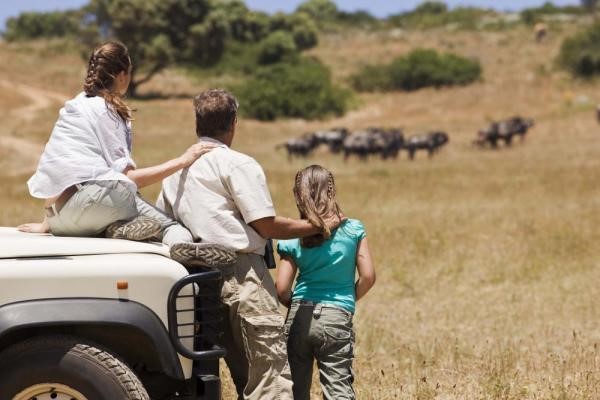
A few other things to consider when preparing for your African trip.
A VALID PASSPORT Is your passport up to date, with at least 6 months left before expiry? You'll also need more than 2 blank pages left in it.
VISA & TRAVEL DOCUMENTS Do you need a visa? For updated information, please check: Passport, Visa & Health by Country
Alternatively check the African embassy in your country.
MONEY How will you carry your money with you on the road? Traveller's cheques are virtually useless here and carrying huge wads of cash around isn't the best idea. We found using a credit-card card, taking out enough for a few days, was the best solution for us. At most supermarkets, stores, petrol stations, restaurants, hotels, guesthouses and lodges, you have the opportunity to pay with credit-card.
INSURANCES When traveling to Africa, we strongly recommend to take a comprehensive (worldwide – dangerous sports etc) travel & health insurance.
You never know what happens before you are going on a trip. As trips to Africa usually aren’t cheap, we recommend to take a cancellation insurance.
YOU ALSO WANT TO TAKE
- One other picture identification (e.g. driver's license)
- Photocopy of passport-page to carry at a safe place
- Children <18 years old: International certified copy of birth certificate
- Flight tickets
- Credit card (a 2nd credit card kept at a safe place)
- Comprehensive Travel & Health Insurance policy
We strongly advise to check with your health care practitioner about the latest vaccination and malaria advise.
YELLOW FEVER When entering some African countries you need proof that you've had a yellow fever vaccination Health & Yellow Fever
MALARIA In some area’s in Africa, malaria is found. It also depends in which season you will be traveling if malaria medication is necessary! Check in with your healthcare practitioner for the last updated information of vaccinations and/or medications.
HIGH ALTITUDE If you're planning on trekking at altitude, it’s best to speak with your doctor about Diamox or similar.
COVID-19 Depending on the country (countries) you'll be travelling, check the latest update on Covid-19 Covid-19 Travel Centre
Lodges
Tourism is thriving in Africa, so there is no shortage of accommodation options to cater to the ever-growing number of people who travel the continent every year.
Generally we can say there are three types of safari accommodation: Camping, safari lodges and lodges (hotels & guesthouses)
CAMP SITES - This is the closest definition to a “living in the wild” experience. This is travel as it was done since time immemorial. Just you, a tent on the ground or on top of your 4x4, a sleeping bag and the endless sprawl of stars overhead.
Keep in mind that not all national parks and game reserves allow for this type of camping since the average traveler wouldn’t exactly know what to do if they come across a wild animal sniffing around their tents. Even where allowed, you will only be able to set up camp in designated areas.
SAFARI LODGES - A safari lodge is an accommodation facility which is located in or closeby a wildlife area. The buildings are permanent hard material structures such as stone, natural unprocessed timber poles and thatch. Game activities such as drives and walks are offered at the lodge. Depending on your budget, these can range from simple but comfortable all the way up to decadent luxury.
TENTED SAFARI LODGES - Far from being a simple tent pitched under the stars, tented camps can be every bit as luxurious as traditional hotel accommodations. Most tented camps include private bathroom facilities, king sized beds, gourmet food, and WiFi access where possible. Far from roughing it, they're every bit as luxurious as a hotel built with bricks and mortar! Tented lodges can be found in standard, comfort and luxury accommodation.
LUXURY - For those who want the 5* experience, luxury lodges and tented camps boast an imaginary comfort and style with magnificent views, spacious rooms, excellent service and stunning wildlife viewing.
The equivalent to a 4 or 5* hotel, luxury accommodation can be expected to offer such diverse services as spa facilities, nightly entertainment, world class cuisine and more!
Luxury lodges are as diverse as the landscapes of Africa, ranging from lodges built in the treetops or among the rocks of the Serengeti or the Cederberg Mountains in South Africa, to sleeping under the Namibian stars, to accommodations built along the rim of Ngorongoro Crater or at the heart of a fragrant coffee plantation. Many different options, but all of which offer top level service.
Most people on their first-time safari are absolutely blown-away by the lodging. Many lodges are 4 and 5*, so you’ll be delighted with the intimate and authentic atmospheres throughout your stay. Most have room service, same-day laundry service and even private plunge pools that will help you to cool down between game drives.
HOTELS & GUESTHOUSES - While it is not likely that you’ll come across these inside the safari parks, many of them are strategically positioned just outside for easier access.
You’ll find this type of accommodation throughout Africa, in big cities, villages, towns, basically anywhere. Like in every other country, hotel accommodations in Africa range from -non-star graded, 1-star establishments that offer little more than a room with an en-suite / shared bathroom to 5-star establishments that provide just about every convenience in a luxurious setting, including high class cuisine, room service, high-quality linen, expansive views of the surroundings, concierge service, recreation facilities and more.
The people
You’ll encounter some of the kindest people you’ll ever meet. And the lodge staff and tour guides are no exception – they embody the African warmth and hospitality that has come to be expected of the regions. They understand that for many people, a trip to Africa is a once-in-a-lifetime opportunity, and so they do everything in their power to ensure your stay is unforgettable. In short, you won’t be let down by the people of Africa.
PEOPLE ARE SUPER FRIENDLY!
Just as Africa is not the dangerous, backwards place it's made out to be, the diverse and wonderful people who inhabit its countries aren't waiting to rip you off at every opportunity.
Hospitable and friendly folk are everywhere in Africa, and we often comment to each other that we felt safer travelling through there than we often did elsewhere. You'll probably encounter more unfriendly people on your daily commute on the tube than you will here!
It’s common to be greeted with a huge smile and hello, and most are keen to learn your name, where you’re from and why you’re visiting.
You will only feel welcomed in Africa; if you're open, friendly, and respectful (particularly bearing in mind that most nations are still deeply conservative and poor), you'll always be treated as a friend.
YOU'LL PROBABLY BE CALLED A 'MZUNGU'
In Tanzania, you’ll probably encounter the phrase ‘Mzungu’ being thrown your way – often by locals smiling as they wave out of car windows or pass you on the street. The literal translation from Swahili is ‘person who wanders without purpose’, though these days it’s used to describe any white foreigner.
It’s mostly said in a friendly, joking way – so try not to take offence.
Food
Meals at hotels, guesthouses, restaurants and café’s is good in Africa. Especially South Africa has a high standard when it comes to food and wine, and it is extremely reasonably priced for American and European standards.
Your stay at a safari lodge will usually include three meals a day. But to call it food is somewhat misleading... Cuisine is the more appropriate term, as many of the lodges employ nationally celebrated chefs with decades’ of experience in preparing delectable dishes.
Most safari lodges offer English or Continental breakfast, a light lunch of greens, meat and cheeses, and a 3-4 course dinner with wine or drinks of your choosing.
Depending on the lodge, you may even have the opportunity of eating a traditional Boma dinner beneath the stars and beside a warm fire.
In some African countries drinking tab-water is absolutely safe, but not anywhere. We recommend to drink bottled water. And in some African countries, make sure food is well cooked.
You can also decide to eat like a local – which is usually cheap, tasty and a great way of learning about local cuisine!

