
Tanzania
Chillin' Zanzibar
Zan-zi-barrr the very name evokes mystery, intrigue and exotic, sultry adventure.
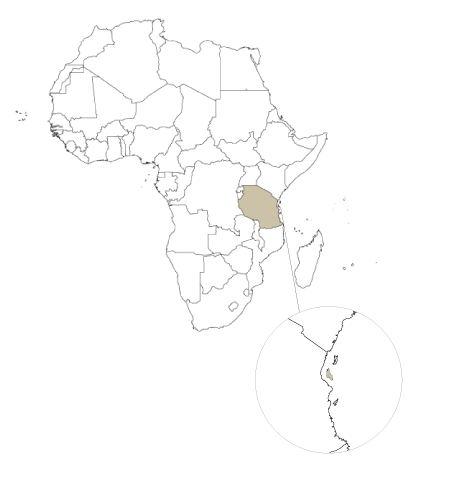
Zanzibar is a semi-autonomous region of Tanzania. It is composed of the Zanzibar Archipelago in the Indian Ocean, 25–50 kilometres (16–31 mi) off the coast of the mainland, and consists of many small islands and two large ones: Unguja (the main island, referred to informally as Zanzibar Island) and Pemba Island. The capital is Zanzibar City, located on the island of Unguja. Its historic center is Stone Town.
Zanzibar island is steeped in culture and history – a destination which brought adventurers, seafarers and traders from far and wide. Zanzibar is also known as the ‘Spice Island’ due to the delicious variety of spices grown on the island’s many plantations.
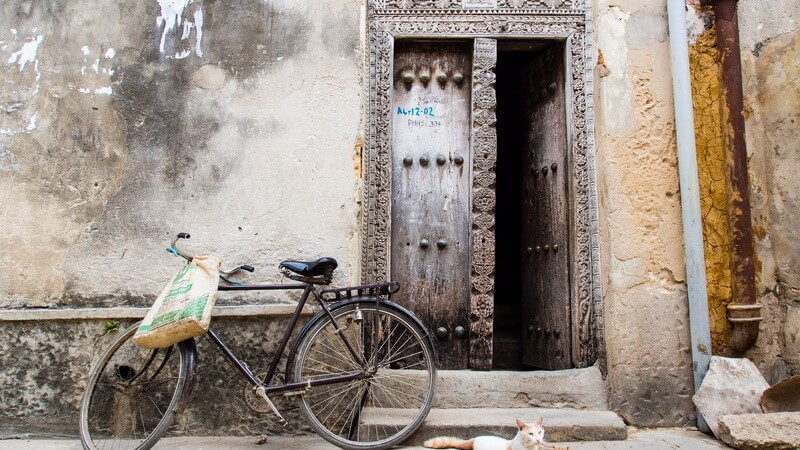
Stone Town, a World Heritage Site, boasts a labyrinth of winding alleys, bustling marketplaces, beautifully carved wooden doors, breath-taking mosques and grand Arab residences. Stone Town is where it simmers, with its crumbling coral-rag palaces and a history steeped in spices.
Another must-see attraction on Zanzibar includes the Jozani Forest Reserve – home to the rare Kirk’s red colobus monkey and Aders’ duiker.
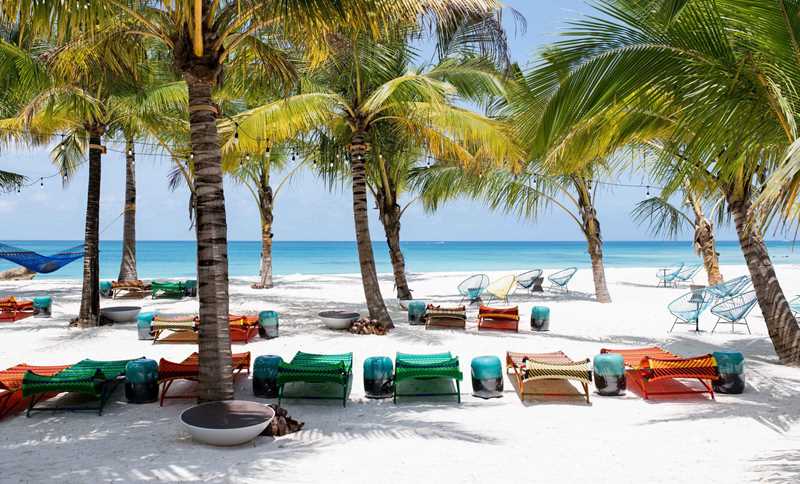
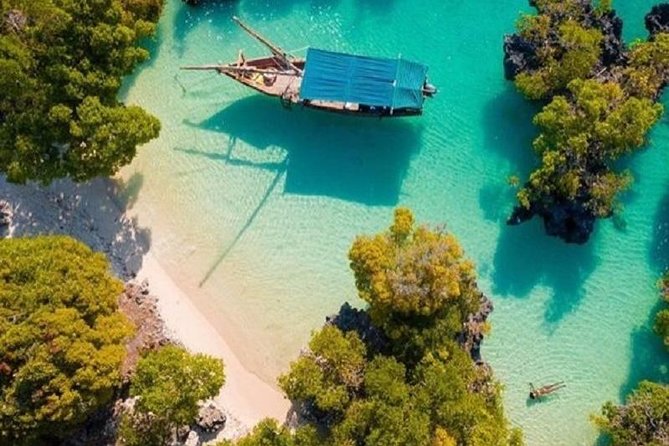
Off the north-eastern coast of Zanzibar lies Mnemba Island – an idyllic private island featuring luxurious accommodation, breath-taking scenery and rich marine diversity.
Just a 30-minute flight south of Zanzibar, the little island of Mafia is a remote, charming and laid-back place to be! Primarily known for its ocean glory, Mafia Island really encourages travelers to explore the wonders of its surrounding waters. Home to Tanzania’s first marine park, Mafia Island Marine Park, the reefs around the island offers a staggeringly beautiful display of marine life, as well as some of the most vibrant and varied coral in East Africa. In addition to this, Mafia Island is one of the only destinations where whale shark sightings are virtually guaranteed.
The best time to swim with whale sharks?
From October through to February, the Kaskazi (north monsoon wind) pushes the plankton-rich surface layer of the water from the nutrient-rich Rufiji River silt, towards the island, trapping it against the west coast. The whale sharks gather at the surface in the areas where the plankton is most dense and use their 1-metre wide mouths to ‘hoover’ up their daily requirement of nutrients!
Best selling itineraries
Browse a sample of our itineraries for inspiration or select one of them -
perhaps with a few customizations to fit your budget or adventurous spirit!
